Katana Wado

Katana Wado
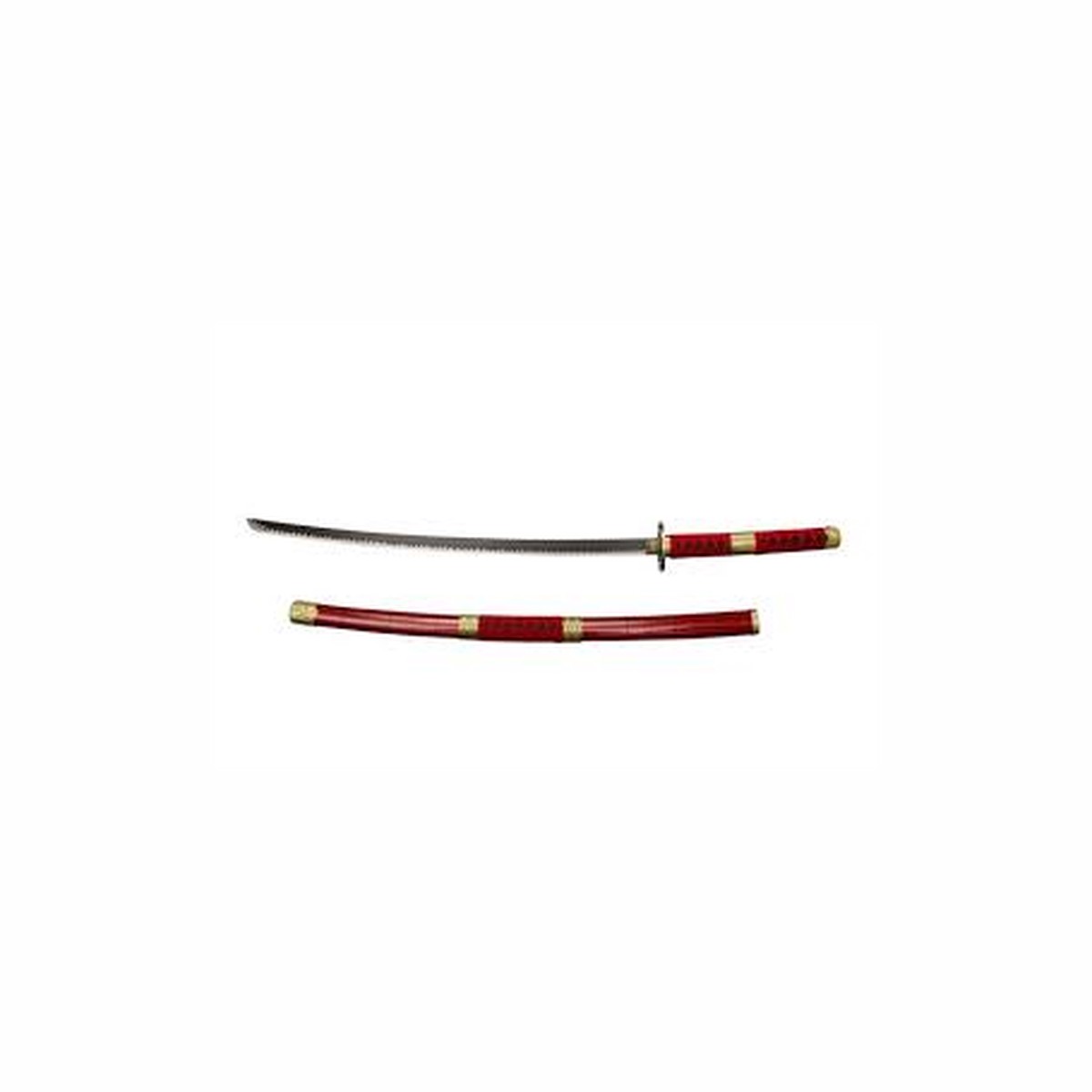
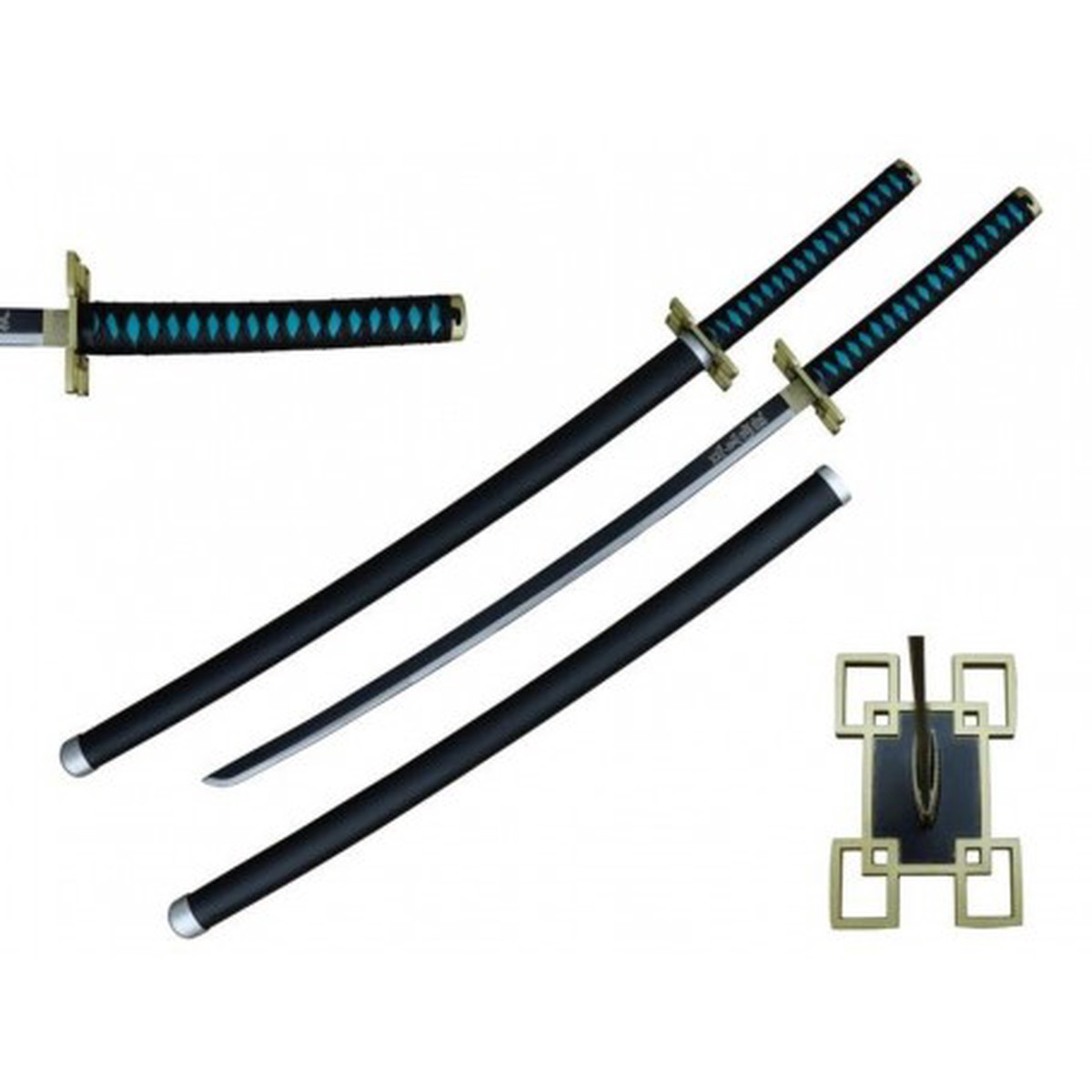
Wado fantasy katana with steel blade, white wooden scabbard and gold-colored inserts.105 cmReferenceXS733.55 ARThe katana was forged by alternating layers of steely iron with percentages of carbon. The alternation of layers gave it maximum resistance and flexibility. It started from...
Wado fantasy katana with steel blade, white wooden scabbard and gold-colored inserts.105 cmReferenceXS733.55 ARThe katana was forged by alternating layers of steely iron with percentages of carbon. The alternation of layers gave it maximum resistance and flexibility. It started from a block of steel (tamahagane) heated and worked by folding and hammering. With each fold, the number of layers doubled: with the first fold from two layers, four were obtained, with the second eight, and so on. At the end of the process, after fifteen folds, 32,768 layers were obtained. Further folds were considered useless because they did not improve the final characteristics. The general shape of the blade was then defined: length, curvature, shape of the tip (kissaki). The edge was hardened by heating and subsequent cooling in water (tempering). The blade was then subjected to a long cleaning process carried out with abrasive stones of increasingly finer grains. The final finishing was done manually with special steel bars. The process was carried out to enhance the aesthetic characteristics of the blade as much as possible.[9][10]The traditional manufacturing process is still passed down from generation to generation, from master blacksmith to apprentice blacksmith. The forging technique generally involves:Preparation of materials for smelting: a large quantity of coal, pieces of shredded iron, and iron ore are melted in a furnace (tatara), either outdoors or in a forge; the molten steel lump is then collected in a special bowl and formed into a roughly cubic block;Cleaning of cracks and irregularities: The rough cubic block is cleaned, then forged and transformed into a rough, irregular parallelepiped, then further forged and cut in half. This process is repeated four to eight times before the steel piece is clean and usable;Forging: the steel parallelepiped is forged, heated to red heat and hammered, folded, and hammered up to fifteen times, until the steels characteristic layering is achieved. This technique is reminiscent of a medieval process used to produce a type of steel called Damascus (the first to use layered steel swords were the Umayyad Arabs, who had learned techniques of Indian origin). This layering is necessary to make the blade flexible and extremely hard, so hard that it cannot be dented even by blows against armor or another sword. The extreme hardness also allows for a very fine and sharp edge without making it too brittle;Final forging: most commonly, to achieve the final shape of the sword, two types of steel are combined, one soft and one hard, forming an internal core (soft steel) and an external edge and back (hard steel). In reality, there are various types of processes, and much depends on the skill of the craftsman;Tempering: after the blade is coated with special types of clay with unique heat-resistance properties, it is heated to red heat, then immersed in water at approximately 37 Celsius. This differentiated tempering allows for a more flexible body and a harder edge;Blade finishing: the final stage, called togi, is performed by a specialized craftsman called togishi, who is exclusively responsible for this operation. This operation confers great beauty and elegance to the blade and determines its sharpness. Poor-quality reproductions are not treated with traditional methods but are polished in various ways, often with grinding wheels or sandpaper.The tang (nakago), the part of the blade inside the hilt, was finished with file strokes arranged in various patterns depending on the school and era. A small hole was drilled into the tang, into which a bamboo peg, called a dowel (mekugi), was attached, securing the body of the sword to the wooden hilt. Now the blade is finished and all the finishing touches of the koshirae are applied.
There are no reviews yet.
Related Products
There are many variations of passages of Lorem Ipsum available